Traditional Marketing and Advertising: Going Offline to Grow Your Online Presence

Online marketing and advertising strategies have become an essential component for driving website traffic. However, in the quest for digital dominance, many businesses often overlook the power of offline promotion. By leveraging traditional marketing techniques, businesses can tap into a new and often untapped audience. Let’s delve into the various offline promotion strategies that can help drive website traffic. From utilizing printed materials to harnessing the power of word of mouth and partnering with local businesses, we’ll cover everything you need to know to take your website to new heights. So, let’s dive in and discover how offline promotion can play a vital role in driving traffic to your website.

Utilizing Printed Materials

The tangible nature of printed materials can have a remarkable impact on promoting your website and driving traffic. While online advertisements and social media campaigns have their place, the benefits of utilizing printed materials should not be overlooked.
Creating and Using QR Codes

One of the key advantages of printed materials is their ability to leave a lasting impression. Well-designed business cards, flyers, and brochures can capture attention and make a memorable impact on potential visitors. Make sure to incorporate your website URL prominently on these materials, as it serves as a direct invitation for people to visit your online presence.

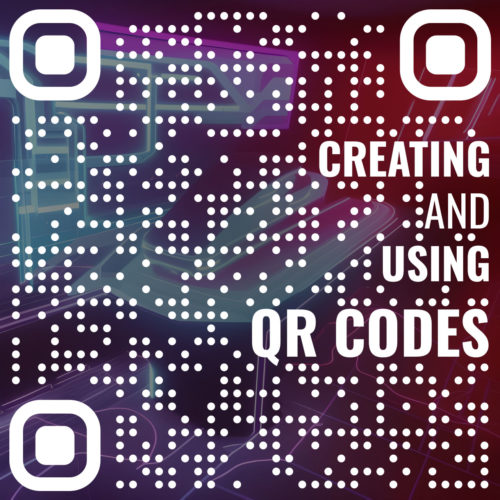
In addition to website URLs, consider adding QR codes to your printed materials. These codes provide a quick and convenient way for people to access your website by simply scanning the code with their mobile devices. QR codes can be easily generated online and customized to fit your brand.

To maximize the reach of your printed materials, distribute them strategically. Attend relevant events, conferences, and trade shows where your target audience is likely to be present. Network with other businesses and establishments in your local community to display your materials. By placing your brochures or flyers in coffee shops, libraries, and other high-traffic locations, you increase the chances of people stumbling upon them and being enticed to visit your website. When executed thoughtfully and strategically, paper materials can be powerful tools in driving traffic to your website.

Harnessing the Power of Word of Mouth

Word of mouth has long been recognized as one of the most powerful and influential forms of marketing. People are more likely to trust recommendations from their friends, family, and peers when it comes to discovering new websites and online resources. Exploiting the influence of word of mouth can significantly boost the traffic to your website.

The first step in leveraging word of mouth is to provide an exceptional user experience on your website. Deliver valuable content, intuitive navigation, and a seamless browsing experience that encourages visitors to return and share their positive experiences with others. Satisfied customers are more inclined to recommend your website to their network, expanding your reach organically.

To actively encourage word of mouth promotion, consider implementing referral programs. Incentivize your satisfied customers to refer others to your website by offering rewards or discounts for successful referrals. This not only motivates your existing audience to spread the word, but also attracts new visitors who are interested in benefiting from the referral rewards.

Personal recommendations happen anywhere people communicate. Word of mouth has expanded its reach through social media and online communities. Encourage your visitors and customers to share their positive experiences on social media platforms, leaving reviews, testimonials, and recommendations. Engage with your audience on social media channels to foster a sense of community and encourage discussions around your website and its offerings.

Partnering with Local Businesses and Organizations

Forging partnerships with local businesses and organizations can be a valuable strategy to promote your website offline. By tapping into existing networks and communities, you can extend your reach and attract targeted traffic to your website.

Collaborating with local businesses and organizations offers mutual benefits. Identify complementary businesses or organizations that share a similar target audience or have a related niche. Explore opportunities for cross-promotion, such as featuring each other’s websites or products in your respective marketing materials. This can include sharing links, promoting special offers, or displaying promotional materials at each other’s physical locations.

Sponsoring local events, charities, or community initiatives is another effective way to gain visibility and generate website traffic. Look for events or causes that align with your website’s values and target audience. By sponsoring these activities, you not only contribute to the community but also position your website as a responsible and engaged entity. Make sure to include your website’s URL and branding in any event-related materials, such as banners, signage, or promotional items.

Offline networking events provide valuable opportunities to meet and connect with potential partners, clients, or customers. Attend industry conferences, trade shows, or networking events relevant to your website’s niche. Be prepared to share your website’s value proposition and provide tangible takeaways for attendees.

Offline Advertising and Media Coverage

While online advertising has gained significant prominence, offline advertising still holds value in promoting your website and driving traffic. By leveraging traditional advertising channels and seeking media coverage, you can reach a broader audience and increase your website’s visibility.

Traditional advertising channels such as newspapers, magazines, and radio continue to have a wide reach and can be effective in targeting specific demographics. Consider the audience demographics and interests of the respective medium and choose the ones that align with your website’s target audience. Craft compelling advertisements that effectively communicate your unique value proposition and include a clear call-to-action that directs viewers or listeners to visit your website. Use attention-grabbing visuals, persuasive copy, and memorable slogans to make your advertisement stand out.

In addition to traditional advertising, pursuing media coverage can significantly amplify your website’s exposure. Write and distribute press releases to relevant media outlets, announcing significant updates, new features, or noteworthy achievements of your website. Craft your press releases in a newsworthy format, highlighting the unique aspects of your website that would pique the interest of journalists and their readers. Consider targeting niche-specific publications or local newspapers to enhance the relevance and reach of your media coverage.

When evaluating offline advertising methods, consider their cost-effectiveness and targeting options. Assess the return on investment (ROI) of each channel by analyzing the potential reach, the alignment with your target audience, and the cost of placing advertisements. Some channels may offer more precise targeting options, such as demographic filters or geographical targeting, which can help optimize your ad spend.

Using Branded Merchandise and Giveaways

Branded swag and contests can be powerful tools for offline promotion, creating awareness, and driving traffic to your website. By developing unique and eye-catching items that bear your website’s branding, you can leave a lasting impression on potential visitors and convert them into loyal users.

Consider creating a range of branded merchandise such as t-shirts, pens, stickers, keychains, or tote bags that prominently display your logo and URL. These items can serve as walking advertisements when worn or used by your audience. Opt for high-quality materials and designs that align with your website’s branding and resonate with your target audience. Branded merchandise not only raises awareness but also fosters a sense of connection and loyalty among those who receive or use these items.

Promotional products not only serve as conversation starters but also act as brand ambassadors. When people use or wear your branded merch, they become walking advertisements, sparking conversations and generating interest in your website. Encourage recipients to share photos of themselves with your branded items on social media, using a specific hashtag or tagging your website’s account. This can further amplify the reach of your offline promotions and create a sense of community around your brand.

Organizing contests, giveaways, or sweepstakes can be an effective way to generate interest, engagement, and traffic to your website. Create enticing offers or prizes related to your website’s niche and promote them through various online and offline channels. For example, you can offer exclusive access to premium content, discounts, or even free products or services. Encourage participants to visit your website, subscribe to your newsletter, or follow your social media accounts for a chance to win. Publicize the contest or giveaway through printed materials, local media, and word of mouth to maximize participation.

By using branded merchandise and giveaways, you can leverage the power of tangible items to generate awareness and drive traffic to your website. Develop a range of branded merchandise, distribute them at relevant events, and encourage recipients to become brand ambassadors. These offline strategies complement your online efforts and help create a strong presence for your website.

Tracking Offline Efforts
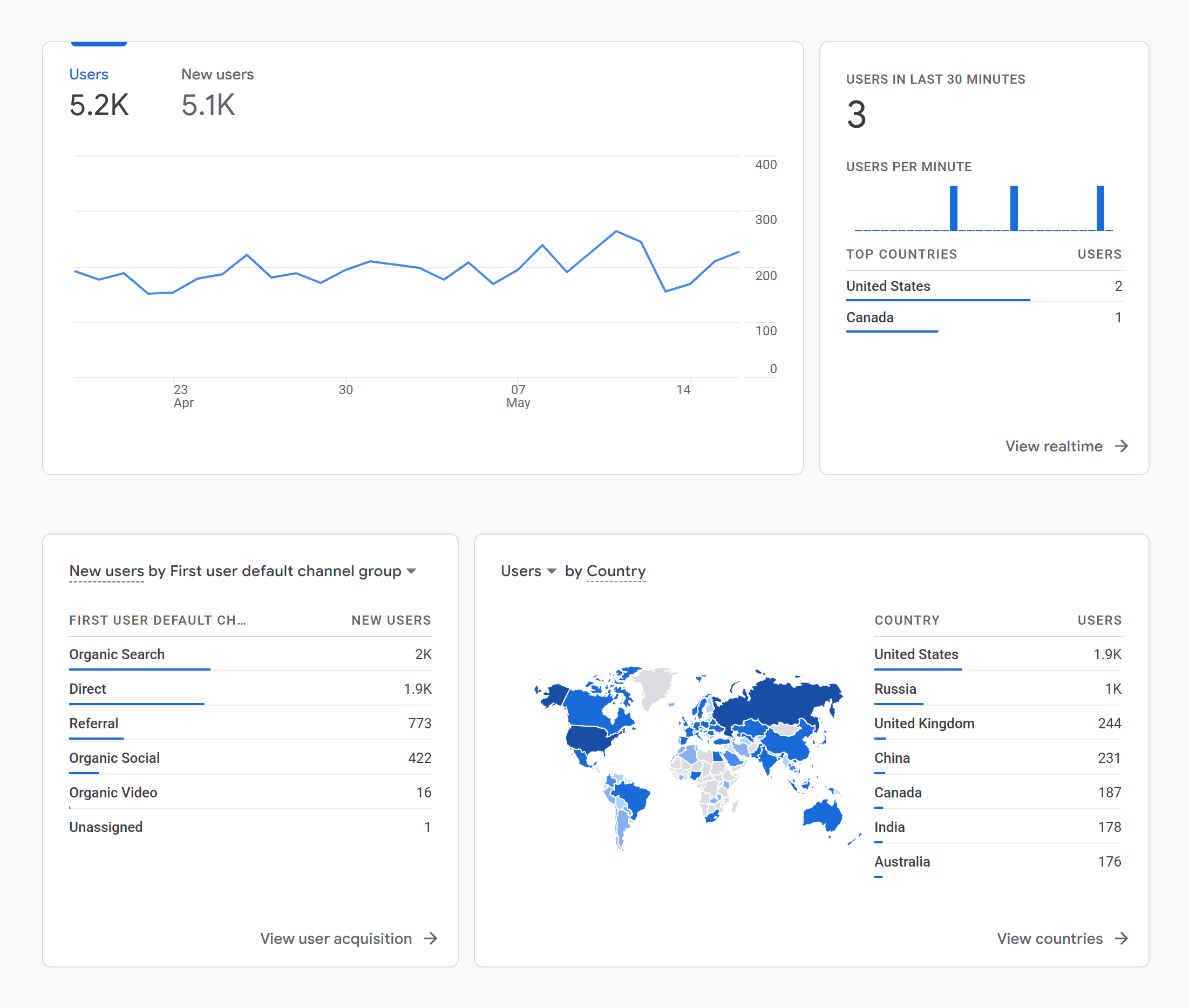
Google Analytics Report

Measuring the effectiveness of your offline promotion efforts is crucial to understand which strategies are driving traffic to your website and generating results. By implementing specific tracking methods and utilizing web analytics tools, you can gain valuable insight and make data-driven decisions to optimize your offline promotion strategies.

One effective way to track offline campaigns is by using unique URLs, promo codes, or QR codes. When promoting your website offline, create dedicated landing pages with unique URLs that are easy to remember and specific to each campaign. This allows you to track the traffic generated from different offline sources. Similarly, use exclusive promo codes or coupons for offline promotions. When customers redeem these codes on your website, you can attribute the conversions and sales to your offline efforts. Additionally, QR codes can be incorporated into printed materials, enabling users to scan the code with their smartphones and directly access your website.

Optimizing your offline promotion efforts requires flexibility and adaptation based on data and insights. Continuously monitor and track the performance of your offline campaigns, and be open to making adjustments and refinements to achieve the best results. Set up tools like Google Analytics to monitor the performance of your website. Create custom campaigns within your analytics platform to track the traffic from each offline promotion source. By leveraging the data provided by tracking mechanisms and web analytics tools, you can refine your strategies and invest in the most effective offline promotion methods.

Go Offline

Incorporating offline promotion alongside your online marketing efforts can significantly enhance your website’s visibility and attract more visitors. By utilizing traditional marketing techniques, you can reach a diverse audience beyond the confines of the digital space. Moreover, by tracking and measuring your offline campaigns, you can continuously improve and refine your strategies for optimal results.

Offline marketing can even be part of your SEO strategy. Seeing your marketing materials can trigger curiosity and get people searching to find out more. As more and more people start searching for your name and tagline, search engines will see that you have something people want, and will give your domain more authority.

So, don’t limit your website’s growth to online channels alone. Embrace the power of offline promotion and explore the multitude of opportunities it offers. Combine the best of both online and offline worlds to create a comprehensive marketing approach that drives traffic, boosts engagement, and propels your website towards success.
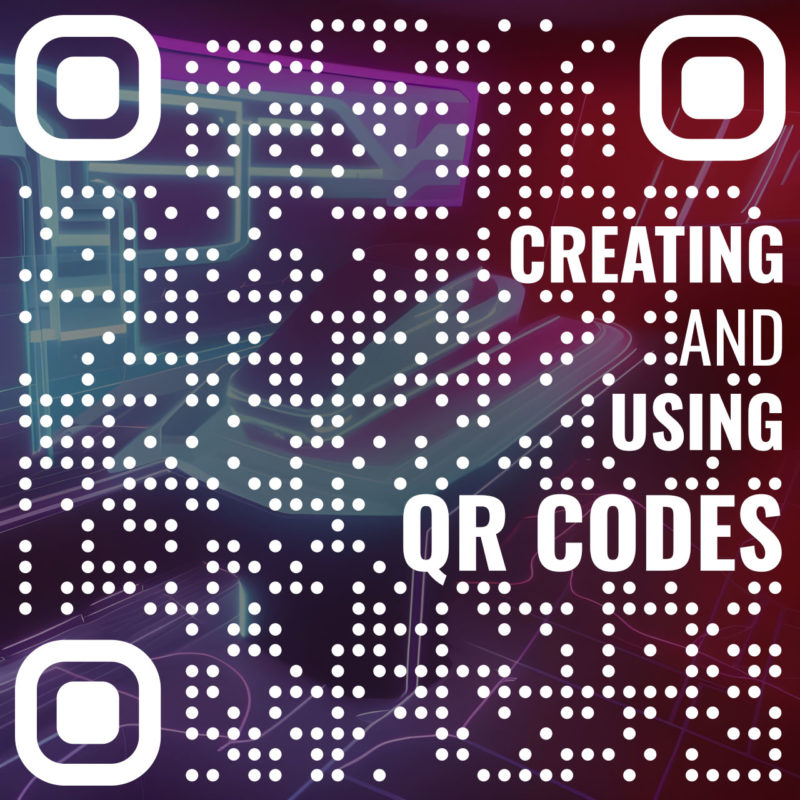

How To Create and Use QR Codes in Your Marketing

QR codes, also known as Quick Response codes, have become increasingly popular over the past decade. Originally developed for the automotive industry, they have now become a versatile tool for businesses and individuals alike. QR codes are two-dimensional barcodes that can store a variety of information, such as URLs, contact information, and product details. They are scanned using a smartphone camera and a QR code reader app, making them an effective and universal way to share information digitally. In this article, we will discuss how to create and use QR codes, as well as some best practices to get the most out of them.

Capabilities of QR Codes

QR codes have become increasingly popular in recent years due to their versatility and effectiveness as a marketing tool. Here are some of the key benefits of using QR codes:

  • Easy to use: QR codes are easy to scan and use, making them a convenient way for customers to quickly access information or promotions.
  • Cost-effective: QR codes are free or inexpensive to create and can be printed on a wide range of materials, making them a cost-effective way to promote your business or products.
  • Versatile: QR codes can be used in a variety of ways, from directing customers to a website or social media page to providing product information or coupons.
  • Trackable: Many QR code generators include tracking capabilities, allowing you to monitor the number and the location of scans, providing valuable data for marketing analysis.
  • Innovative: Using QR codes can help to give your brand a modern and innovative image, particularly when used in creative ways.
Basic QR Code
Basic QR Code

Here are a few examples of how businesses can use QR codes effectively:

  • Restaurants can include QR codes on their menus that direct customers to nutrition information, online ordering, or reservation systems.
  • Retailers can include QR codes on product packaging that lead customers to product videos, reviews, or special promotions.
  • Real estate agents can include QR codes on their flyers and signage that direct potential buyers to virtual tours of properties.
  • Event organizers can include QR codes on tickets that provide event details, directions, and links to social media pages.
  • Business cards can feature a QR code in vCard format containing contact information.

QR codes provide an easy, cost-effective, and versatile way for businesses and marketers to engage with customers and promote their products or services.

Creating QR Codes

QR codes can be easily generated using a variety of online tools, both free and paid. Here’s a look at how you can create your own QR codes:

  1. Choose a QR code generator: There are many QR code generators available online, some free, some paid. Some popular ones include QR Code Monkey, Scanova, and QR Stuff.
  2. Select the type of content: QR codes most commonly link to a URL, but they can also contain other information, such as plain text, location coordinates, or contact information. Consider the purpose of the code and enter the right type accordingly.
  3. Customize the design: While basic QR codes are black and white, many generators allow you to customize the design of the code, such as changing the colors, adding a logo, or other design elements. This customization makes your codes more recognizable and helps them stand out from the competition.
  4. Deploy the QR code: Once you’re satisfied with the design, download or export the QR code in a high-quality image format such as SVG, EPS, or PNG.

It’s important to test the QR code before using it to ensure that it works properly. You can do this by scanning it with a QR code reader app on your smartphone. Creating your own QR codes is easy and cost-effective, making it a great tool for businesses of all sizes.

Using QR Codes

Branded and Stylish QR Code

QR codes can be a powerful marketing tool when used correctly. Here are some best practices for incorporating QR codes into your marketing strategy:

  • Make it easy to scan: QR codes should be placed in a location that is easily accessible and scannable for customers. Avoid placing them in areas with poor lighting or where it may be difficult to reach.
  • Offer value: QR codes should provide something of value to the customer, such as a discount or special offer. This will encourage them to scan the code and take action.
  • Customization: Consider customizing your QR codes to fit your brand. You can change the color, add a logo, or even create a custom shape to make your code more visually appealing.
  • Test, test, test: Before launching any QR code campaign, be sure to test the code to ensure that it works properly. You can use free online tools to test the code, or scan it yourself with multiple devices to ensure compatibility.

Examples of successful QR code campaigns include:

  • Nike: The company used QR codes in a recent campaign to promote their new soccer cleats. Scanning the code took users to a mobile-optimized site where they could view product information, watch videos, and even purchase the cleats directly from their mobile device.
  • Starbucks: The coffee chain used QR codes to promote their mobile payment app. Scanning the code took customers to the app download page, where they could easily download and install the app on their smartphone.
  • Heinz: The ketchup brand used QR codes on their product packaging to provide customers with recipe ideas and cooking tips. Scanning the code took users to a mobile site with a variety of recipe options that included Heinz ketchup as an ingredient.

Error correction is a key feature of QR codes that ensures readability even if the code is partially damaged, distorted, or obscured. This feature is what allows for the inclusion of a logo or other graphic elements within the code itself without affecting its functionality.

Tracking and measuring the success of your QR code campaigns is important for evaluating their effectiveness. You can use tools such as Google Analytics to track the number of hits, the location of scans, and even the time of day the code was scanned. This data can help you make informed decisions about future campaigns and optimize your marketing strategy for maximum impact.

QR codes can be a powerful tool for businesses and marketers to engage with their audience and track their marketing campaigns. With free online tools and paid software available, it’s easy to create custom QR codes that align with your brand and business goals. With some creative planning and thoughtful execution, you can effectively leverage this technology to drive engagement and conversions.

Earn Passive Income From Your Website With Ads

If you have a website with a good amount of traffic, you can earn passive income by displaying ads on your site. Earning passive income from your website is a great way to monetize your online presence, and one of the most popular methods to do this is through the use of ads. Ads allow website owners to earn revenue without actively selling products or services, and can be a great source of ongoing income.

Getting Started

To get started with earning passive income from ads, you will need to sign up for an ad network or program. There are several options to choose from, including Google AdSense, Media.net, and Amazon Associates. It’s a good idea to do your own research to find which one is the best fit for you.

Google AdSense is a popular choice for many website owners as it’s easy to use and provides access to a large pool of advertisers. AdSense uses contextual targeting to display relevant ads to your audience. Another option is Media.net, which is a contextual ad network that allows publishers to monetize their content with display ads. It’s particularly popular for websites with a large amount of traffic from the US, Canada, and the UK. Another popular option is Amazon Associates, which allows you to earn a commission by promoting Amazon products on your website. It’s particularly useful for websites that focus on product reviews or recommendations. Ultimately, the best ad network for you will depend on your website’s niche and audience, as well as your personal preferences and goals for monetization.

Another way to use ads to earn passive income is to sell ad space directly to advertisers. This can be a more profitable option than using an ad network, but it requires more work. You will need to find advertisers who are interested in advertising on your site and negotiate a price.

Placing Ads

Once you’re set up with an ad platform, you will be able to generate ad code to place on your website. It’s important to carefully consider where and how you place ads on your website. You want to make sure that ads are not intrusive or distracting to your visitors, but still visible enough to be noticed.

Ideally, you want to place ads in areas where they can be seen easily without being too intrusive or disruptive to the user experience. Placing ads above the fold, meaning the area of a web page that is visible without scrolling, tends to perform better than placing them below the fold. It’s also important to consider the type of content on your website and match the ad content accordingly. For example, placing fitness-related ads on a health and wellness website would likely perform better than placing car-related ads. Ultimately, finding the right balance of ad placement is crucial in maximizing ad revenue without negatively affecting the user experience.

Ad Formats

It’s also important to consider the type of ads you want to display. Ads that are relevant to your content and audience will perform better than generic or irrelevant ads. The amount of money you earn from ads will depend on a number of factors, including the type of ads you display, the amount of traffic your website gets, and the click-through rate (CTR) of your ads.

There are several different types of ads that website owners can use. One of the most common types is display ads, which are typically banner ads that appear on a website. These can be static images or animated graphics, and they are most commonly placed in the header, footer, or sidebar of a page. Another type of ad is a text ad, which is a link-based ad that appears within the content of a website. Native ads are another popular option, as they blend in with the rest of the content on the page and are less intrusive than other ad types. Video ads have also become more prevalent in recent years, as online video consumption continues to rise. Finally, there are pop-up ads, which appear in a separate window or tab and can be highly disruptive to the user experience. It’s important to consider the type of ad that will work best for your website and audience, as well as the placement and frequency of the ads to maximize their effectiveness without negatively impacting the user experience.

Auto ads are a feature provided by Google AdSense that helps publishers place ads on their website without needing to manually choose the ad placements. With auto ads, Google uses machine learning algorithms to analyze the content of the website and place ads in the most optimal locations. Auto ads can include a variety of ad formats such as text, display, and in-feed ads. This can save publishers time and effort in managing their ad placements and increase their revenue potential by ensuring that ads are placed in the most effective locations. However, it is important to monitor the performance of auto ads and adjust settings as necessary to ensure that they are providing the desired results.

Optimizing Your Revenue

An important factor to consider when using ads to earn passive income is traffic. The more traffic your website receives, the more potential revenue you can earn from ads. Focus on creating quality content and promoting your website through various channels to increase your traffic and potential earnings. Make sure that your site is properly optimized and targeted for search engines with the keywords and phrases that will be most relevant to your target audience.

To maximize your passive earnings from ads, here are some things to keep in mind:

  • Use a variety of ad sizes and formats. This will help you reach a wider audience and maximize your earnings.
  • Place ads in strategic locations on your website. This will help to ensure that your ads are seen by as many visitors as possible.
  • Use relevant ads. Ads should be related to the content on your website. This will help to increase the CTR and earn you more money.
  • Test different ad networks and advertisers. This will help you find the best deals and maximize your earnings.
  • Track your ad performance. This will help you see what’s working and what’s not, so you can make adjustments to your ad strategy.
  • Promote your website. The more traffic your website gets, the more money you will earn from ads. Promote your website on social media, in forums, and in other online communities.

It’s worth noting that while earning passive income through ads can be lucrative, it may not be the right fit for every website. It’s important to balance a positive cash flow with a positive user experience. If your website is focused on selling products or services, ads may distract from that goal. Additionally, some users may find ads intrusive or annoying, which could negatively impact their experience on your website.

Annoying or intrusive ads can drive users away from your website and hurt your reputation. Some examples of annoying ads include pop-ups, auto-playing videos with sound, and ads that cover up content. Ads that are misleading or try to trick users into clicking can give your site a spammy reputation. To avoid these issues, consider using non-intrusive ad formats such as text-based ads or banner ads that don’t interfere with the user’s browsing experience. It’s also important to limit the number of ads on each page and avoid placing ads too close to important content. By focusing on non-intrusive ad formats and strategic ad placement, you can ensure that your users have a positive experience while still earning passive income from your website.

Earning passive income from ads can be a great way to monetize your website. By carefully choosing the right ad network, placing ads strategically, and focusing on increasing your website’s traffic, you can earn ongoing revenue from your website without the need to actively sell products or services.

Using Social Media in Web Design to Grow Your Audience

Social media has become an integral part of our lives, and as such, it has also become an important element of web design. Integrating social media into a website can provide a variety of benefits, including increased engagement, improved reach, and stronger brand recognition.

Getting Started With Social Media

When it comes to incorporating social media into your website, it’s important to first establish a presence on the platforms that are most relevant to your business. This may include Facebook, X (formerly Twitter), Instagram, LinkedIn, and others. Not all social media platforms are created equal. Some are better suited for certain businesses than others. Do some research to find out which social media platforms your target audience is using, and focus on those platforms.

Social media can be a powerful tool for promoting your website and connecting with your audience. To get started, it’s important to fill in your profile information on each platform and make sure it accurately reflects your brand. This includes your logo, cover image, bio, and contact information. Once your profiles are set up, you can start engaging with your followers and sharing content. Don’t forget to include links to your website and encourage your followers to visit your site. It may take time to build a following, but consistent updates and engaging content can help you gain traction and grow your online presence.

Using Your Website to Grow Your Social Media Following

Once you have created your profiles, it’s important to include links to your social media accounts on your website. This allows visitors to easily find and follow your business on their preferred social media platform. Many web design platforms and tools offer built-in social media integration options, making it easy to add links to your profiles in a prominent location on your website.

Another way to use social media in web design is by incorporating social media feeds directly into the website. This can be done using widgets or plugins that pull in content from the website’s social media profiles. This provides visitors with a dynamic and constantly updated view of your social media activity, which can help to build trust and engagement. If you’re not updating your site on a regular basis (and you should be), this can help to keep your website from becoming stale.

Consider offering exclusive content or discounts to your social media followers to incentivize them to follow you. You can promote these offers on your website to encourage visitors to follow you on social media.

Using Social Media to Get More Website Traffic

One of the most effective ways to leverage social media in web design is by adding social sharing buttons or icons to the website. These might be placed in the header or footer of the website, or even within individual pages or blog posts. This encourages visitors to easily share the website’s content on their own social media profiles. Each share is like a personal endorsement to all of their friends and followers, which can massively help to expand your website’s reach and attract new visitors.

When you add new content to your website, you can utilize social media to promote it and drive traffic to your site. Share links to your new content on your social media profiles to let your followers know about it. Be sure to craft a compelling headline and include an eye-catching image to make your post stand out. You can also use hashtags related to your industry or topic to reach a broader audience. This can lead to increased website traffic and improved search engine rankings.

Resurfacing old content on social media is a great way to breathe new life into your website and increase traffic. Not all of your followers may have seen your content the first time around, so re-posting or sharing older posts can help you reach a wider audience. To resurface old content, take some time to review your past posts and identify evergreen content that is still relevant and valuable to your audience. Then, create new social media posts promoting that content, and schedule them to be shared on your social media platforms over time. You can also experiment with different messaging and visuals to see what works best to get people to engage with your content. Resurfacing old content is a simple but effective way to keep your social media profiles active and engaging.

Running contests and giveaways on social media can be an effective way to increase engagement and grow your following. To get started, determine what you want to achieve from the contest or giveaway, such as increasing your follower count or promoting a new product. Then, determine the rules, such as how users can enter, the deadline for entry, and the prize. Promote the contest or giveaway on your website and social media channels, and consider using paid social media ads to reach a wider audience. Be sure to comply with platform rules and regulations and disclose any necessary information to participants. Finally, track the results of the contest or giveaway to measure its success and use the insights gained to improve future social media campaigns.

Making the Most of Social Media

Social media can also be used as a tool for customer service and engagement. By responding to comments and questions on social media, businesses can build relationships with their customers and provide them with valuable support and assistance. Also, use social media to gather customer feedback from your most loyal followers. Ask your customers for their thoughts and opinions on your products, services, or website. This feedback can help you make improvements to your business strategy.

Paid promotions can be a powerful tool to reach a wider audience on social media. Platforms like Facebook, Instagram, and X (formerly Twitter) offer a variety of advertising options to target specific demographics and interests. Paid promotions can be in the form of sponsored posts, display ads, or promoted tweets, among others. Before investing in paid promotions, it is important to set clear goals and budget accordingly. Regularly monitor the performance of your ads and adjust your targeting and messaging as necessary to optimize your results.

Being consistent with social media updates is crucial to take full advantage of these powerful platforms. It’s important to have a set schedule for posting content to ensure that your followers are regularly engaged and informed about your brand. This also helps to establish a strong online presence and build a loyal following. Consistency in posting also ensures that your social media profiles stay active, and this can help improve your website’s search engine ranking by demonstrating your website’s credibility and relevance. You can use social media management tools such as Hootsuite, Buffer, or Sprout Social to synchronize your profiles and schedule your posts ahead of time.

Incorporating social media into your web design process can provide a variety of benefits for businesses, including increased engagement, improved reach, and stronger brand recognition. By using social media to its full potential, and engaging with customers on a regular basis, businesses can create a dynamic and engaging online presence to reach a larger audience.

Avoiding Annoyances in Web Design

As web designers, it’s important to focus not only on creating visually appealing and functional websites, but also to ensure a good user experience. This means avoiding any design elements that could be considered annoying or frustrating. There are many common annoyances that can be avoided with some simple design choices.

Auto-Playing Media

One of the most common annoyances in web design is auto-playing media. This can include video, audio, or even ads that start playing automatically when a user lands on a website. It can be especially frustrating if the user is already listening to music or has multiple tabs open.

Not only is auto-playing media annoying, but it can also negatively impact website performance. Videos and audio files are often large, which can slow down page load times and increase data usage for users with limited internet connections.

To avoid auto-playing media, it’s important to give users control over what they want to see and hear. Provide clear and visible controls, such as a play button, and avoid using auto-play as the default setting. You can also consider using muted autoplay, where the media starts playing but without sound, and giving users the option to unmute if they want to hear it.

Pop-ups

Another annoyance is overly aggressive pop-ups or interstitials that interrupt the user’s experience. These can include sign-up forms, ads, or requests to download an app. While these can be useful in certain contexts, it’s important to make sure they don’t interfere with the user’s ability to access the content they came for.

Pop-ups are windows that appear on top of a web page, often to display an advertisement or to request user input. While pop-ups can be useful in some cases, they are often seen as intrusive and annoying by web users.

To avoid annoying pop-ups, consider using alternative methods to display information or gather input from users. For example, instead of using a pop-up to display an advertisement, try placing the advertisement in a less obtrusive location on the page.

If you do need to use a pop-up, make sure that it is relevant and useful to the user. Avoid using pop-ups for advertisements that are not related to the content of the page or for requests that are not necessary for the user to continue using the site. It is also important to make it easy for users to close pop-ups if they choose to do so. Provide a clear and visible close button, and ensure that the button is functional and easy to use.

Clutter

Cluttered designs with too much content can also be overwhelming and frustrating for users. It’s important to prioritize what content is most important and make sure it’s easy to find and read.

One way to achieve a clean layout is to use negative space or white space. This means leaving some areas of the design empty or with minimal elements. This can help to highlight important information and give the website a more spacious and clean feel.

Another way to avoid cluttered layouts is to limit the number of elements on each page. This can be done by focusing on the most important information and minimizing unnecessary elements. It’s also important to use consistent typography, color, and imagery to create a cohesive design and avoid a busy aesthetic.

Using a grid system can also help to create a balanced and organized layout. A grid can help to ensure that elements are aligned properly and evenly spaced, creating a more visually pleasing design.

Speed

In today’s fast-paced world, users expect websites to load quickly. A slow website can be a major annoyance and turn off visitors, leading to a negative user experience. Slow loading times can be caused by a number of factors, including large image or video files, inefficient code, or a slow server.

To avoid this annoyance, it’s important to optimize your website’s performance. You can start by compressing large image files and minimizing the use of high-resolution images or videos. You should also minimize the use of unnecessary code and scripts, which can slow down your website.

Another effective way to improve website speed is to use a content delivery network (CDN). A CDN distributes your website’s files across a network of servers, which can improve loading times for users in different geographic locations.

Lastly, make sure your website is hosted on a fast and reliable server. Choosing a reputable web hosting provider with good server performance can make a big difference in website speed and overall user experience.

Obnoxious Ads

Advertising is an essential part of many websites’ revenue streams, but it can also be a significant source of annoyance for users. Ads that are loud, flashy, or intrusive can be particularly frustrating for users and disrupt their browsing experience. Pop-up ads, auto-playing videos or audio, and ads that take up a significant portion of the screen can be especially obnoxious.

One way to mitigate the annoyance factor of ads is to ensure they are relevant and useful to the user. This can be achieved by using targeted advertising based on the user’s preferences or the content of your site. Ads that blend seamlessly into the website’s design and don’t disrupt the user’s flow can also be less obtrusive.

Another option is to offer users the ability to opt-out of certain types of ads or to pay for an ad-free experience. This approach can be particularly effective for websites with a dedicated and engaged user base who are willing to pay for an ad-free experience.

Ultimately, the goal of advertising on a website should be to enhance the user’s experience, not detract from it. By being mindful of the types of ads used and their placement, website owners can ensure that their advertising doesn’t become a source of annoyance for their users.

Other Annoyances

  • Too Much Animation: While animation can be a great way to add interest to your website, too much animation can be overwhelming and distracting. Use animation sparingly and only when it is truly necessary.
  • Flashing or Blinking Text: Flashing or blinking text is not only annoying, but it can also be harmful to people with epilepsy or other light sensitivity disorders. Avoid using this type of text altogether.
  • Small Text: Tiny text is difficult to read, and it can be a major annoyance for visitors. Make sure that your text is large enough to be easily read, even on small screens.
  • Broken Links: Links that don’t work can lead to frustration and confusion, and they can also damage your website’s reputation. Make sure to check all of your links regularly and fix any that are broken.
  • Desktop-Only Layout: Responsive design ensures that your website looks good on all devices, including desktops, laptops, tablets, and smartphones. If your site is not responsive, users may have a difficult time viewing it on their mobile devices.

By being mindful of these common annoyances and making design choices that prioritize the user experience, web designers can create websites that are not only visually appealing and functional, but also a joy to use.