Brand Identity: Developing a Unique Business Image and Personality

In today’s fiercely competitive business landscape, developing a strong brand image and personality is more important than ever. A brand’s identity goes far beyond just a name and logo – it encompasses the essence of what the business stands for and how it is perceived by customers. A well-defined brand image and personality have the power to differentiate businesses from their competitors and forge a deep emotional connection with their target audience.

When customers interact with a brand, they form perceptions and associations based on various elements, including visual identity, messaging, values, and overall experience. These elements collectively shape the brand’s image and personality. A carefully crafted brand image can convey professionalism, trustworthiness, innovation, or any other desired attribute that resonates with the target market.

A strong brand personality humanizes the business and allows customers to relate to it on a personal level. It creates a distinct voice, tone, and character that set the brand apart and make it memorable. By developing a brand personality, businesses can infuse their communication with authenticity, charm, and relatability, fostering deeper connections and customer loyalty.

What Does it Mean to Have a Brand Image and Personality?

Brand Image: At its core, brand image refers to the overall impression and perception customers have of a brand. It is the collective result of various elements such as the brand’s visual identity, messaging, reputation, and customer experiences. A strong brand image effectively communicates the values, qualities, and unique attributes that distinguish a business from its competitors. It sets the tone for customer interactions and forms the foundation for building brand loyalty.

Brand Personality: Brand personality is the distinctive character and identity that a brand assumes, akin to a human personality. It humanizes the brand, making it relatable and enabling customers to form emotional connections. Just like individuals have different personalities, brands can have their own unique personality traits that align with their target audience. These traits can be communicated through the brand’s tone of voice, messaging style, and visual elements. For example, a brand may be seen as friendly, authoritative, playful, or sophisticated, based on the personality traits it embodies.

To develop a compelling brand image and personality, businesses need to consider several key elements. First, defining the brand’s core values is essential. These values represent what the brand stands for and guide its actions and decisions. Aligning the brand’s values with those of its target audience can help a business establish a deeper connection and build trust.

The brand’s tone of voice is another aspect of its personality. It encompasses the language, style, and attitude used in brand communications. A friendly and conversational tone may appeal to a younger audience, while a professional and authoritative tone may be more suitable for a business targeting a corporate clientele. Consistency in tone of voice across all brand touchpoints reinforces the brand’s personality and enhances brand recognition.

Visual identity also plays a significant role in shaping brand image and personality. Elements such as logos, color palettes, typography, and imagery contribute to the overall visual representation of the brand. Consistency in visual branding fosters recognition and helps convey the brand’s personality visually.

Identifying Your Target Audience

Finding your target audience

Understanding your target audience is significant because it allows you to create a brand identity that aligns with their preferences and needs. It enables you to speak directly to their interests and desires, increasing the likelihood of establishing a meaningful connection. By catering to their specific demographics, such as age, gender, location, and income level, you can develop a brand image that appeals directly to their unique characteristics.

Psychographics, on the other hand, delve into the psychological and emotional aspects of your audience. This includes their attitudes, beliefs, values, and lifestyle choices. Uncovering their motivations, challenges, and aspirations can help you shape your brand personality to align with their desires and create a more authentic connection.

Conducting thorough market research is key to gaining this valuable knowledge about your target audience. Surveys, interviews, and online research can provide a wealth of information about their preferences, behaviors, and pain points. Analyzing data from social media platforms, website analytics, and market research reports can also uncover patterns and trends that further refine your understanding of your audience.

Defining and Refining Your Brand Identity

A strong and distinctive brand identity is the foundation of a successful business. It goes beyond just a logo or a catchy tagline—it encompasses the core values, mission, and unique characteristics that set your brand apart from competitors.

Core Values

To begin, it’s essential to establish your brand’s core values. These are the fundamental beliefs and principles that guide your business and shape its identity. Core values serve as the compass that steers your brand’s decisions, actions, and interactions. Think about what your brand stands for—whether it’s innovation, sustainability, authenticity, or any other values that align with your mission and resonate with your audience. These values become the pillars upon which your brand identity is built.

Mission Statement

Crafting a compelling mission statement is the next step in defining your brand identity. A mission statement encapsulates your brand’s purpose and why it exists. It communicates the impact you aim to make and the value you bring to your customers. A well-crafted mission statement reflects your brand’s passion, vision, and commitment to delivering exceptional products or services. It should be concise, memorable, and aligned with the needs and aspirations of your target audience.

Defining your brand identity is not only about articulating it internally but also about effectively communicating it to your target audience. Ensure that your brand’s visual elements, such as logo, color palette, typography, and imagery, reflect and reinforce your brand identity. Consistency in tone of voice, messaging, and customer interactions also helps to build a cohesive brand image that resonates with your audience.

Developing Visual Brand Elements

Using images and video to enhance your website

Visual brand elements play a deep role in shaping your brand’s image and creating a lasting impression on your audience. They are the tangible elements that visually represent your brand and communicate its personality. When developing your brand’s visual identity, there are several key components to consider:

  1. Designing a memorable logo: Your logo is the face of your brand and often the first thing people associate with your business. It should be distinctive, memorable, and reflect your brand’s personality. A well-designed logo captures the essence of your brand and communicates its values, positioning, and uniqueness. Ensure that it is visually appealing, versatile, and scalable across different platforms and mediums.
  2. Choosing an appropriate color palette: Colors have a powerful impact on human emotions and perceptions. When selecting a color palette for your brand, consider the emotions and associations you want to evoke. Each color has its own meaning and symbolism, so choose colors that align with your brand’s personality and resonate with your target audience. A harmonious color palette not only enhances brand recognition but also conveys a consistent and cohesive brand image.
  3. Selecting typography: Typography plays a vital role in conveying your brand’s voice and tone. Choose fonts that align with your brand’s personality and are legible across various platforms and devices. Consider pairing different font styles to create a visual hierarchy and evoke specific emotions. The typography you choose should be consistent with your brand identity and reinforce the overall message you want to convey.
  4. Incorporating relevant imagery: Images and visuals add depth and personality to your brand. They evoke emotions, tell stories, and capture attention. Choose imagery that aligns with your brand’s values, target audience, and messaging. Whether it’s original photography, illustrations, or curated visuals, ensure that they are high-quality, relevant, and consistent with your brand identity. Visual consistency helps establish a cohesive brand experience across different touchpoints.

When developing your brand’s visual elements, it’s important to strike a balance between creativity and consistency. Your visual identity should be unique and captivating, while also aligning with your brand’s personality and resonating with your target audience. Consistency in design elements across your website, social media profiles, marketing materials, and other touchpoints is key to creating a cohesive and recognizable brand image.

Crafting Your Brand’s Tone of Voice

Your brand’s tone of voice is the way you communicate and express your brand’s personality through written and spoken language. It plays a crucial role in establishing a strong and consistent brand image, connecting with your target audience, and differentiating your brand from competitors.

To effectively craft your brand’s tone of voice, it’s essential to have a deep understanding of your target audience. Research their demographics, values, preferences, and communication styles. Consider their language preferences, the level of formality they respond to, and the emotions and aspirations that resonate with them. This understanding will help you tailor your brand messaging to effectively engage and connect with your audience.

Consistency is vital in maintaining a strong and recognizable brand image. Establish guidelines for your brand’s tone of voice to ensure consistent messaging across various marketing channels. Define the key attributes that reflect your brand’s personality, such as friendly, authoritative, playful, or professional. Consider creating a brand style guide that outlines specific dos and don’ts, preferred vocabulary, sentence structures, and grammar rules. This guide will serve as a reference for anyone creating content or communicating on behalf of your brand.

Additionally, consider these tips to further enhance your brand’s tone of voice:

  • Be authentic: Let your brand’s personality shine through in your communication. Be true to your brand values and avoid sounding generic or overly promotional. Authenticity builds trust and fosters meaningful connections with your audience.
  • Use storytelling: Storytelling is a powerful tool for engaging your audience and conveying your brand’s values and purpose. Incorporate storytelling elements into your brand messaging to create emotional connections and make your content more relatable.
  • Adapt to different channels: Your tone of voice should be adaptable to different marketing channels, including your website, social media, email marketing, and customer support. Tailor your messaging to suit each platform while maintaining consistency in the overall brand personality.
  • Listen to feedback: Pay attention to how your audience responds to your brand’s tone of voice. Monitor feedback, comments, and conversations to understand what resonates with your audience and make adjustments if necessary.

Evoking Emotions through Brand Storytelling

Storytelling is a powerful tool for capturing the hearts and minds of customers. By harnessing the innate human love for stories, brands can create emotional connections that go beyond mere transactions. Effective brand storytelling allows you to engage, inspire, and leave a lasting impact on your audience. Here’s how you can incorporate storytelling into your brand’s communication strategy:

  1. Identify Your Brand Narrative: Start by understanding the essence of your brand and what makes it unique. Uncover the stories behind your brand’s founding, its values, and its journey. These stories form the foundation of your brand narrative, providing a compelling backdrop that resonates with your target audience.
  2. Connect on an Emotional Level: Successful brand storytelling goes beyond facts and figures; it taps into emotions. Craft stories that evoke emotions aligned with your brand identity and values. Whether it’s joy, nostalgia, empathy, or inspiration, the key is to create an emotional connection with your audience. Think about how your brand’s story can evoke those emotions and align them with the aspirations and desires of your target audience.
  3. Show, Don’t Just Tell: Bring your brand’s story to life through visuals, multimedia, and immersive experiences. Consider using videos, images, and interactive content to engage your audience and make your brand story more memorable. Visual elements can amplify the emotional impact of your storytelling and create a deeper connection with your audience.
  4. Make Your Audience the Hero: A powerful storytelling technique involves making your audience the hero of the story. Position your brand as the guide or mentor that helps your audience overcome challenges and achieve their goals. By putting your audience at the center of the narrative, you empower them and create a sense of personal relevance.
  5. Consistency and Authenticity: Ensure that your brand storytelling aligns with your overall brand identity and remains consistent across all channels. Authenticity is key – your audience should feel a genuine connection with your brand’s story. Avoid clichés or contrived narratives and strive for a genuine, honest portrayal of your brand’s values and journey.
  6. Engage and Involve Your Audience: Encourage user-generated content and invite your audience to share their own stories related to your brand. This not only fosters a sense of community but also adds depth and diversity to your brand narrative.

Conclusion

Developing a strong brand image and personality is a continuous journey that requires ongoing tracking, evaluation, and adaptation. As your brand evolves, it’s essential to monitor its performance and make adjustments based on customer feedback, market trends, and emerging opportunities.

Regularly track key performance indicators related to your brand’s perception, customer engagement, and overall business growth. Analyze metrics such as brand recognition, customer satisfaction, social media engagement, website traffic, and sales. This data will provide valuable insights into how your brand image and personality are perceived and how they impact your bottom line.

Developing a compelling brand image and personality is a key driver of success in today’s competitive business landscape. Track your brand’s performance and be willing to adapt to ensure your brand remains relevant and resonates with your audience. With dedication and a thoughtful approach, your brand has the potential to make a lasting impression and drive business success.
Traditional Marketing and Advertising: Going Offline to Grow Your Online Presence

Online marketing and advertising strategies have become an essential component for driving website traffic. However, in the quest for digital dominance, many businesses often overlook the power of offline promotion. By leveraging traditional marketing techniques, businesses can tap into a new and often untapped audience. Let’s delve into the various offline promotion strategies that can help drive website traffic. From utilizing printed materials to harnessing the power of word of mouth and partnering with local businesses, we’ll cover everything you need to know to take your website to new heights. So, let’s dive in and discover how offline promotion can play a vital role in driving traffic to your website.

Utilizing Printed Materials

The tangible nature of printed materials can have a remarkable impact on promoting your website and driving traffic. While online advertisements and social media campaigns have their place, the benefits of utilizing printed materials should not be overlooked.

Creating and Using QR Codes

One of the key advantages of printed materials is their ability to leave a lasting impression. Well-designed business cards, flyers, and brochures can capture attention and make a memorable impact on potential visitors. Make sure to incorporate your website URL prominently on these materials, as it serves as a direct invitation for people to visit your online presence.

In addition to website URLs, consider adding QR codes to your printed materials. These codes provide a quick and convenient way for people to access your website by simply scanning the code with their mobile devices. QR codes can be easily generated online and customized to fit your brand.

To maximize the reach of your printed materials, distribute them strategically. Attend relevant events, conferences, and trade shows where your target audience is likely to be present. Network with other businesses and establishments in your local community to display your materials. By placing your brochures or flyers in coffee shops, libraries, and other high-traffic locations, you increase the chances of people stumbling upon them and being enticed to visit your website. When executed thoughtfully and strategically, paper materials can be powerful tools in driving traffic to your website.

Harnessing the Power of Word of Mouth

Word of mouth has long been recognized as one of the most powerful and influential forms of marketing. People are more likely to trust recommendations from their friends, family, and peers when it comes to discovering new websites and online resources. Exploiting the influence of word of mouth can significantly boost the traffic to your website.

The first step in leveraging word of mouth is to provide an exceptional user experience on your website. Deliver valuable content, intuitive navigation, and a seamless browsing experience that encourages visitors to return and share their positive experiences with others. Satisfied customers are more inclined to recommend your website to their network, expanding your reach organically.

To actively encourage word of mouth promotion, consider implementing referral programs. Incentivize your satisfied customers to refer others to your website by offering rewards or discounts for successful referrals. This not only motivates your existing audience to spread the word, but also attracts new visitors who are interested in benefiting from the referral rewards.

Personal recommendations happen anywhere people communicate. Word of mouth has expanded its reach through social media and online communities. Encourage your visitors and customers to share their positive experiences on social media platforms, leaving reviews, testimonials, and recommendations. Engage with your audience on social media channels to foster a sense of community and encourage discussions around your website and its offerings.

Partnering with Local Businesses and Organizations

Forging partnerships with local businesses and organizations can be a valuable strategy to promote your website offline. By tapping into existing networks and communities, you can extend your reach and attract targeted traffic to your website.

Collaborating with local businesses and organizations offers mutual benefits. Identify complementary businesses or organizations that share a similar target audience or have a related niche. Explore opportunities for cross-promotion, such as featuring each other’s websites or products in your respective marketing materials. This can include sharing links, promoting special offers, or displaying promotional materials at each other’s physical locations.

Sponsoring local events, charities, or community initiatives is another effective way to gain visibility and generate website traffic. Look for events or causes that align with your website’s values and target audience. By sponsoring these activities, you not only contribute to the community but also position your website as a responsible and engaged entity. Make sure to include your website’s URL and branding in any event-related materials, such as banners, signage, or promotional items.

Offline networking events provide valuable opportunities to meet and connect with potential partners, clients, or customers. Attend industry conferences, trade shows, or networking events relevant to your website’s niche. Be prepared to share your website’s value proposition and provide tangible takeaways for attendees.

Offline Advertising and Media Coverage

While online advertising has gained significant prominence, offline advertising still holds value in promoting your website and driving traffic. By leveraging traditional advertising channels and seeking media coverage, you can reach a broader audience and increase your website’s visibility.

Traditional advertising channels such as newspapers, magazines, and radio continue to have a wide reach and can be effective in targeting specific demographics. Consider the audience demographics and interests of the respective medium and choose the ones that align with your website’s target audience. Craft compelling advertisements that effectively communicate your unique value proposition and include a clear call-to-action that directs viewers or listeners to visit your website. Use attention-grabbing visuals, persuasive copy, and memorable slogans to make your advertisement stand out.

In addition to traditional advertising, pursuing media coverage can significantly amplify your website’s exposure. Write and distribute press releases to relevant media outlets, announcing significant updates, new features, or noteworthy achievements of your website. Craft your press releases in a newsworthy format, highlighting the unique aspects of your website that would pique the interest of journalists and their readers. Consider targeting niche-specific publications or local newspapers to enhance the relevance and reach of your media coverage.

When evaluating offline advertising methods, consider their cost-effectiveness and targeting options. Assess the return on investment (ROI) of each channel by analyzing the potential reach, the alignment with your target audience, and the cost of placing advertisements. Some channels may offer more precise targeting options, such as demographic filters or geographical targeting, which can help optimize your ad spend.

Using Branded Merchandise and Giveaways

Branded swag and contests can be powerful tools for offline promotion, creating awareness, and driving traffic to your website. By developing unique and eye-catching items that bear your website’s branding, you can leave a lasting impression on potential visitors and convert them into loyal users.

Consider creating a range of branded merchandise such as t-shirts, pens, stickers, keychains, or tote bags that prominently display your logo and URL. These items can serve as walking advertisements when worn or used by your audience. Opt for high-quality materials and designs that align with your website’s branding and resonate with your target audience. Branded merchandise not only raises awareness but also fosters a sense of connection and loyalty among those who receive or use these items.

Promotional products not only serve as conversation starters but also act as brand ambassadors. When people use or wear your branded merch, they become walking advertisements, sparking conversations and generating interest in your website. Encourage recipients to share photos of themselves with your branded items on social media, using a specific hashtag or tagging your website’s account. This can further amplify the reach of your offline promotions and create a sense of community around your brand.

Organizing contests, giveaways, or sweepstakes can be an effective way to generate interest, engagement, and traffic to your website. Create enticing offers or prizes related to your website’s niche and promote them through various online and offline channels. For example, you can offer exclusive access to premium content, discounts, or even free products or services. Encourage participants to visit your website, subscribe to your newsletter, or follow your social media accounts for a chance to win. Publicize the contest or giveaway through printed materials, local media, and word of mouth to maximize participation.

By using branded merchandise and giveaways, you can leverage the power of tangible items to generate awareness and drive traffic to your website. Develop a range of branded merchandise, distribute them at relevant events, and encourage recipients to become brand ambassadors. These offline strategies complement your online efforts and help create a strong presence for your website.

Tracking Offline Efforts

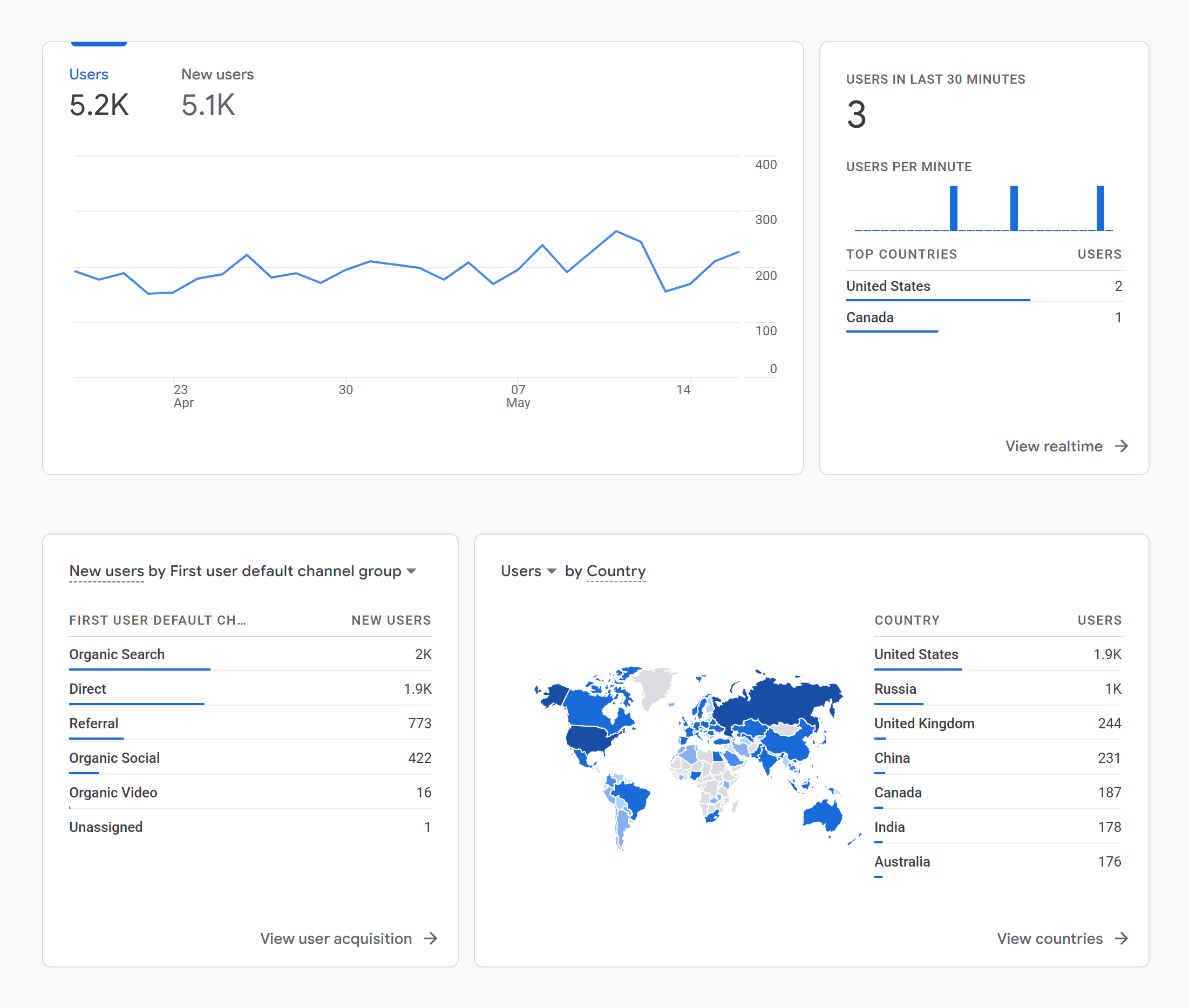
Google Analytics Report

Measuring the effectiveness of your offline promotion efforts is crucial to understand which strategies are driving traffic to your website and generating results. By implementing specific tracking methods and utilizing web analytics tools, you can gain valuable insight and make data-driven decisions to optimize your offline promotion strategies.

One effective way to track offline campaigns is by using unique URLs, promo codes, or QR codes. When promoting your website offline, create dedicated landing pages with unique URLs that are easy to remember and specific to each campaign. This allows you to track the traffic generated from different offline sources. Similarly, use exclusive promo codes or coupons for offline promotions. When customers redeem these codes on your website, you can attribute the conversions and sales to your offline efforts. Additionally, QR codes can be incorporated into printed materials, enabling users to scan the code with their smartphones and directly access your website.

Optimizing your offline promotion efforts requires flexibility and adaptation based on data and insights. Continuously monitor and track the performance of your offline campaigns, and be open to making adjustments and refinements to achieve the best results. Set up tools like Google Analytics to monitor the performance of your website. Create custom campaigns within your analytics platform to track the traffic from each offline promotion source. By leveraging the data provided by tracking mechanisms and web analytics tools, you can refine your strategies and invest in the most effective offline promotion methods.

Go Offline

Incorporating offline promotion alongside your online marketing efforts can significantly enhance your website’s visibility and attract more visitors. By utilizing traditional marketing techniques, you can reach a diverse audience beyond the confines of the digital space. Moreover, by tracking and measuring your offline campaigns, you can continuously improve and refine your strategies for optimal results.

Offline marketing can even be part of your SEO strategy. Seeing your marketing materials can trigger curiosity and get people searching to find out more. As more and more people start searching for your name and tagline, search engines will see that you have something people want, and will give your domain more authority.

So, don’t limit your website’s growth to online channels alone. Embrace the power of offline promotion and explore the multitude of opportunities it offers. Combine the best of both online and offline worlds to create a comprehensive marketing approach that drives traffic, boosts engagement, and propels your website towards success.

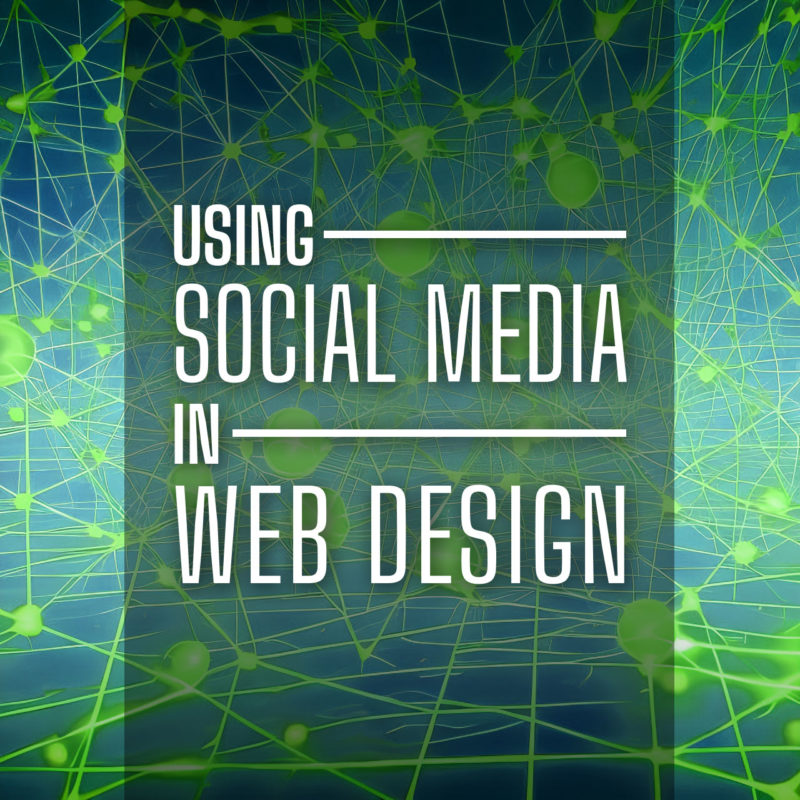
Using Social Media in Web Design to Grow Your Audience

Social media has become an integral part of our lives, and as such, it has also become an important element of web design. Integrating social media into a website can provide a variety of benefits, including increased engagement, improved reach, and stronger brand recognition.

Getting Started With Social Media

When it comes to incorporating social media into your website, it’s important to first establish a presence on the platforms that are most relevant to your business. This may include Facebook, X (formerly Twitter), Instagram, LinkedIn, and others. Not all social media platforms are created equal. Some are better suited for certain businesses than others. Do some research to find out which social media platforms your target audience is using, and focus on those platforms.

Social media can be a powerful tool for promoting your website and connecting with your audience. To get started, it’s important to fill in your profile information on each platform and make sure it accurately reflects your brand. This includes your logo, cover image, bio, and contact information. Once your profiles are set up, you can start engaging with your followers and sharing content. Don’t forget to include links to your website and encourage your followers to visit your site. It may take time to build a following, but consistent updates and engaging content can help you gain traction and grow your online presence.

Using Your Website to Grow Your Social Media Following

Once you have created your profiles, it’s important to include links to your social media accounts on your website. This allows visitors to easily find and follow your business on their preferred social media platform. Many web design platforms and tools offer built-in social media integration options, making it easy to add links to your profiles in a prominent location on your website.

Another way to use social media in web design is by incorporating social media feeds directly into the website. This can be done using widgets or plugins that pull in content from the website’s social media profiles. This provides visitors with a dynamic and constantly updated view of your social media activity, which can help to build trust and engagement. If you’re not updating your site on a regular basis (and you should be), this can help to keep your website from becoming stale.

Consider offering exclusive content or discounts to your social media followers to incentivize them to follow you. You can promote these offers on your website to encourage visitors to follow you on social media.

Using Social Media to Get More Website Traffic

One of the most effective ways to leverage social media in web design is by adding social sharing buttons or icons to the website. These might be placed in the header or footer of the website, or even within individual pages or blog posts. This encourages visitors to easily share the website’s content on their own social media profiles. Each share is like a personal endorsement to all of their friends and followers, which can massively help to expand your website’s reach and attract new visitors.

When you add new content to your website, you can utilize social media to promote it and drive traffic to your site. Share links to your new content on your social media profiles to let your followers know about it. Be sure to craft a compelling headline and include an eye-catching image to make your post stand out. You can also use hashtags related to your industry or topic to reach a broader audience. This can lead to increased website traffic and improved search engine rankings.

Resurfacing old content on social media is a great way to breathe new life into your website and increase traffic. Not all of your followers may have seen your content the first time around, so re-posting or sharing older posts can help you reach a wider audience. To resurface old content, take some time to review your past posts and identify evergreen content that is still relevant and valuable to your audience. Then, create new social media posts promoting that content, and schedule them to be shared on your social media platforms over time. You can also experiment with different messaging and visuals to see what works best to get people to engage with your content. Resurfacing old content is a simple but effective way to keep your social media profiles active and engaging.

Running contests and giveaways on social media can be an effective way to increase engagement and grow your following. To get started, determine what you want to achieve from the contest or giveaway, such as increasing your follower count or promoting a new product. Then, determine the rules, such as how users can enter, the deadline for entry, and the prize. Promote the contest or giveaway on your website and social media channels, and consider using paid social media ads to reach a wider audience. Be sure to comply with platform rules and regulations and disclose any necessary information to participants. Finally, track the results of the contest or giveaway to measure its success and use the insights gained to improve future social media campaigns.

Making the Most of Social Media

Social media can also be used as a tool for customer service and engagement. By responding to comments and questions on social media, businesses can build relationships with their customers and provide them with valuable support and assistance. Also, use social media to gather customer feedback from your most loyal followers. Ask your customers for their thoughts and opinions on your products, services, or website. This feedback can help you make improvements to your business strategy.

Paid promotions can be a powerful tool to reach a wider audience on social media. Platforms like Facebook, Instagram, and X (formerly Twitter) offer a variety of advertising options to target specific demographics and interests. Paid promotions can be in the form of sponsored posts, display ads, or promoted tweets, among others. Before investing in paid promotions, it is important to set clear goals and budget accordingly. Regularly monitor the performance of your ads and adjust your targeting and messaging as necessary to optimize your results.

Being consistent with social media updates is crucial to take full advantage of these powerful platforms. It’s important to have a set schedule for posting content to ensure that your followers are regularly engaged and informed about your brand. This also helps to establish a strong online presence and build a loyal following. Consistency in posting also ensures that your social media profiles stay active, and this can help improve your website’s search engine ranking by demonstrating your website’s credibility and relevance. You can use social media management tools such as Hootsuite, Buffer, or Sprout Social to synchronize your profiles and schedule your posts ahead of time.

Incorporating social media into your web design process can provide a variety of benefits for businesses, including increased engagement, improved reach, and stronger brand recognition. By using social media to its full potential, and engaging with customers on a regular basis, businesses can create a dynamic and engaging online presence to reach a larger audience.

Color Psychology and its Impact on Web Design

Color is a fundamental aspect of web design that can have a significant impact on user experience. Color psychology is the study of how color affects human behavior, mood, and emotion. When used effectively, color can help convey a message, evoke emotions, and guide users through a website.

Color psychology suggests that different colors can evoke different emotions in people. For example, red can symbolize passion, energy, and excitement, while blue is often associated with trust, calmness, and security. By using colors strategically, web designers can create a specific mood or emotion within their website visitors.

One important consideration is to choose colors that are appropriate for the brand and the target audience. Bright and bold colors may work well for a children’s website, but may not be appropriate for a financial institution. Neutral and muted colors may be better suited for a professional website.

Another factor to consider is color contrast. High contrast between background and foreground colors can make it easier for users to read text and navigate the site. It’s important to also consider color accessibility and make sure that the site is accessible to users with visual impairments. Tools like the WCAG color contrast checker can help ensure that color contrast meets accessibility standards.

In addition, it’s also important to consider the overall visual hierarchy of the website. Colors can be used to draw attention to important elements, such as calls to action or navigation menus. Using color consistently throughout the website can also help create a cohesive and memorable brand identity.

Color theory is the study of how colors interact with each other and the human eye. It involves understanding the color wheel, color harmony, and color contrast. By applying color theory principles in web design, designers can create harmonious color palettes that communicate the intended emotions and messages to the users.

Here are some examples of how color can be used in web design:

  • Red: Red is a powerful color that can be used to create a sense of urgency or excitement. It’s often used on websites that sell products or services that people need right away, such as restaurant and delivery websites or emergency services websites.
  • Orange: Orange is a warm and inviting color that can be used to create a sense of excitement or happiness. It’s often used on websites that sell products or services that people want to enjoy, such as recipe or travel websites.
  • Yellow: Yellow is a bright and cheerful color that can be used to grab attention or create a sense of optimism. It’s often used on websites that have products or services that people want to buy, such as retail websites or online stores.
  • Green: Green is a calming and relaxing color that can be used to create a sense of peace or relaxation. It’s popular on environmental and outdoors sites.
  • Blue: Blue is a cool and calming color that can be used to create a sense of trust or reliability. It’s commonly used on websites where people need to feel safe and secure, such as banking websites or government websites.

Color psychology is a powerful tool that can help web designers create an effective and engaging user experience. Remember, too much color can be overwhelming and distracting. It’s important to use color sparingly and to choose colors that complement each other. By choosing appropriate colors, considering contrast and accessibility, and using color strategically, designers can enhance the user experience and create a memorable brand identity.

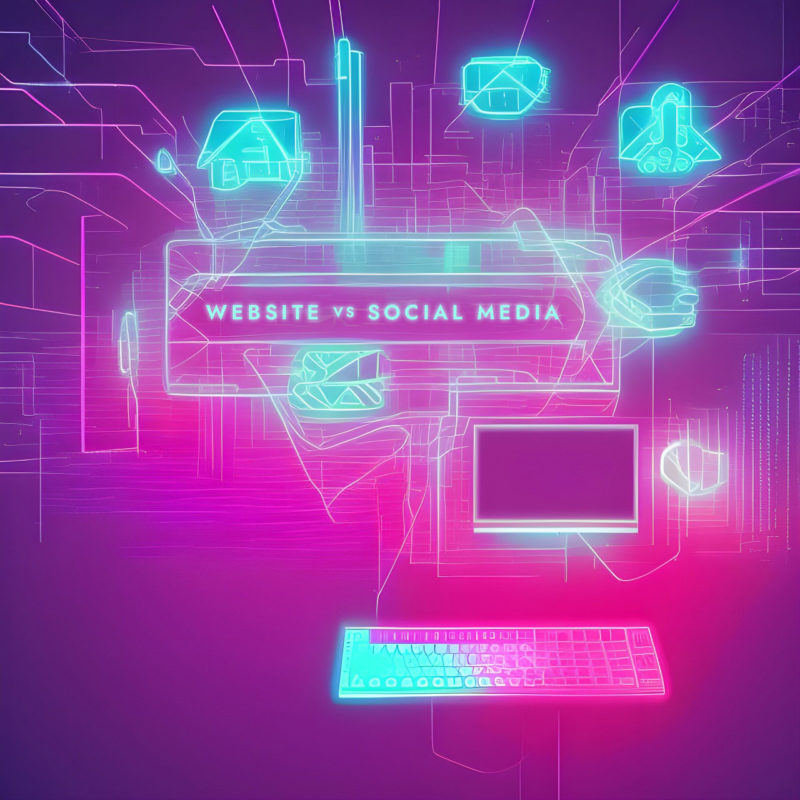
Why do I need a website when I can just use social media?

In today’s digital age, having a website is essential for any business or organization that wants to establish an online presence. While social media platforms like Facebook, Instagram, and X (formerly Twitter) are great for promoting content and connecting with your audience, having a website provides a range of benefits that social media alone cannot match. Here we’ll explore some of the reasons why having a website is better than relying solely on social media.

A Custom Website Gives You Complete Control

One of the biggest advantages of a website vs social media is that you have greater control over your online presence. With social media platforms, you are at the mercy of the platform’s algorithms and policies. Your content may not always be shown to your followers, and you may be limited in terms of the type and format of content you can share. With a website, you have complete control over the design, content, and functionality of your site. This means you can tailor your website to your specific needs and goals, without being constrained by the limitations of social media platforms.

Your Website, Your Branding

A website is an opportunity to establish a strong brand identity that is unique to your business or organization. With social media, you are limited to using the platform’s pre-designed templates and themes. While you can customize your profile picture, header image, and bio, you may not be able to fully express your brand’s personality and values. With a website, you can design your site to match your brand’s colors, typography, and overall aesthetic. This can help you stand out from your competitors and create a more memorable impression on your audience.

Improved Credibility and Professionalism

KEEP CALM
and
HYPER LINK

Having a website can also improve your credibility and professionalism. A well-designed homepage shows that you are serious about your business or organization, and that you have invested time and resources into creating a professional online presence. A well-designed website can also establish trust with your audience, as it provides a platform to showcase your expertise, products, or services. This can be particularly important for businesses or organizations that are looking to build a loyal customer base and establish a long-term presence in their industry.

More Prominent Placement and Appearance in Search Engines

Another advantage of having a website is that it can be easier to find through search engines like Google. While social media profiles can be indexed by search engines, they may not always rank as highly as a well-designed website. A website can be optimized for search engines through techniques like keyword optimization, meta descriptions, and backlinks. This can help your website display higher in search engine results pages, making it easier for potential customers to find you.

Greater Flexibility

Finally, having a website provides greater flexibility in terms of the type of content you can share. While social media is great for sharing short-form content like photos, videos, and status updates, a website allows you to create and share long-form content like blog posts, articles, and white papers. This can help you establish yourself as an authority in your industry, and can also help attract a wider audience who are interested in your niche.

Outsmart Social Media Scammers

Another significant advantage of having a website is that it can help protect your audience from social media scammers. Unfortunately, social media is a hotbed for scams, with many fake accounts and fraudulent pages popping up daily. These bad actors often impersonate legitimate businesses and organizations, trying to trick people into giving away their personal information or money. By having a website, you can establish an authentic online presence that is less susceptible to scams. Your audience can visit your website and know that they are interacting with the real deal, without having to worry about the risk of getting scammed on social media.

So, while social media can be a valuable tool for promoting and sharing content, having a custom website provides a range of benefits that social media alone cannot match. With a website, you have greater control over your online presence, better branding opportunities, improved credibility, increased visibility, and greater flexibility in terms of the type of content you can share. By investing in a well-designed website, you can establish a strong online presence that helps you achieve your business or organizational goals.

Find a talented and experienced web developer with an artistic eye, and get a quote today!